
- This event has passed.
337-50 Years of Mars Exploration
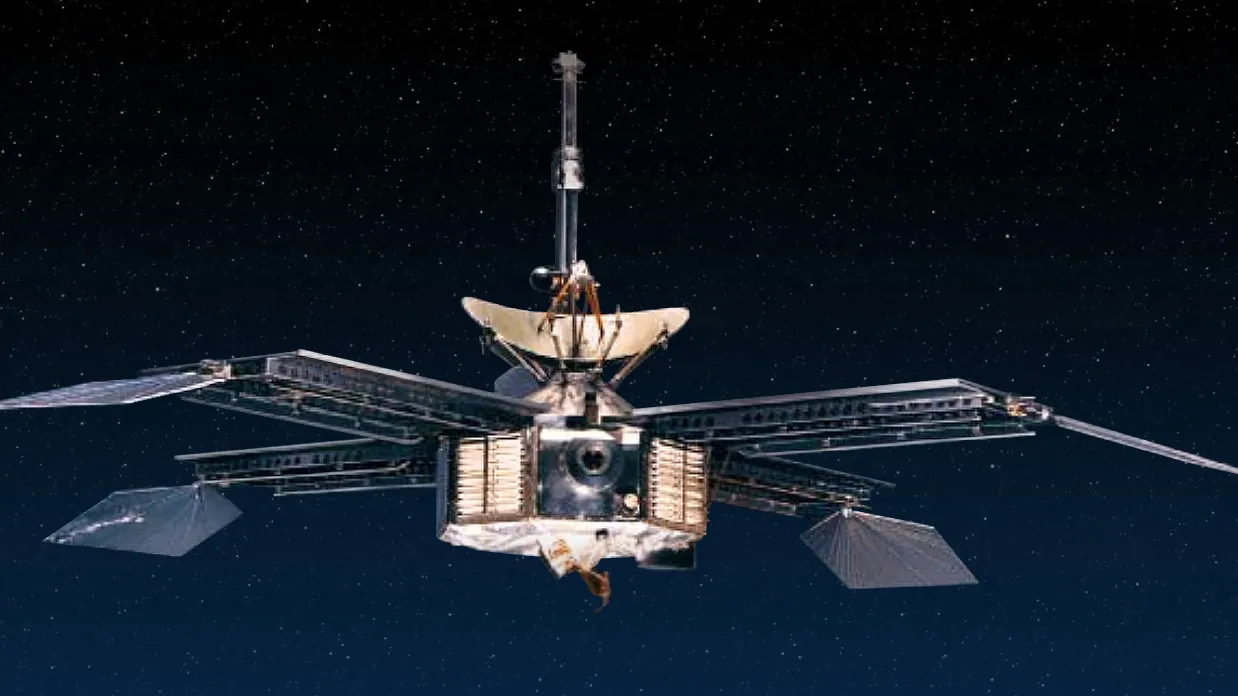
Mariner 3
November 5, 1964
Goal: Mars Flyby
Mission Status: Lost during launch
2015 marks 50 years of successful NASA missions to Mars starting with Mariner 4 in 1965. Since then, a total of 15 robotic missions led by various NASA centers have laid the groundwork for future human missions to the Red Planet. The journey to Mars continues with additional robotic missions planned for 2016 and 2020, and human missions in the 2030s.
Mars Missions
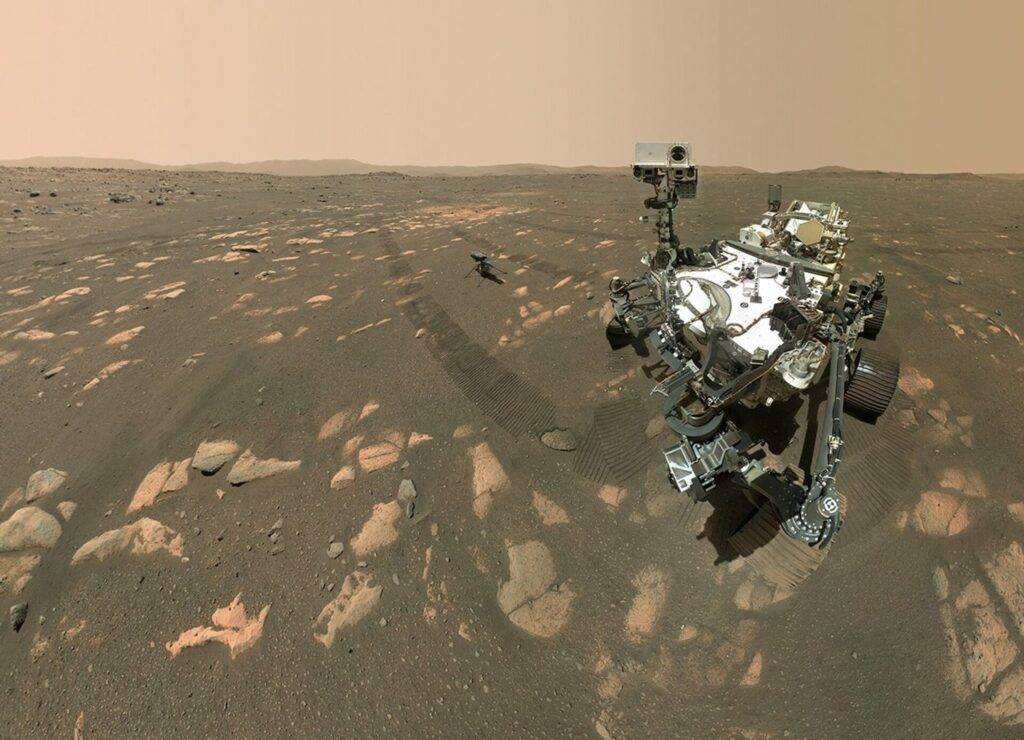
Mars 2020: Perseverance Rover
The Mars 2020 mission Perseverance rover is the first step of a journey that would return Mars samples to Earth. (2020-present)
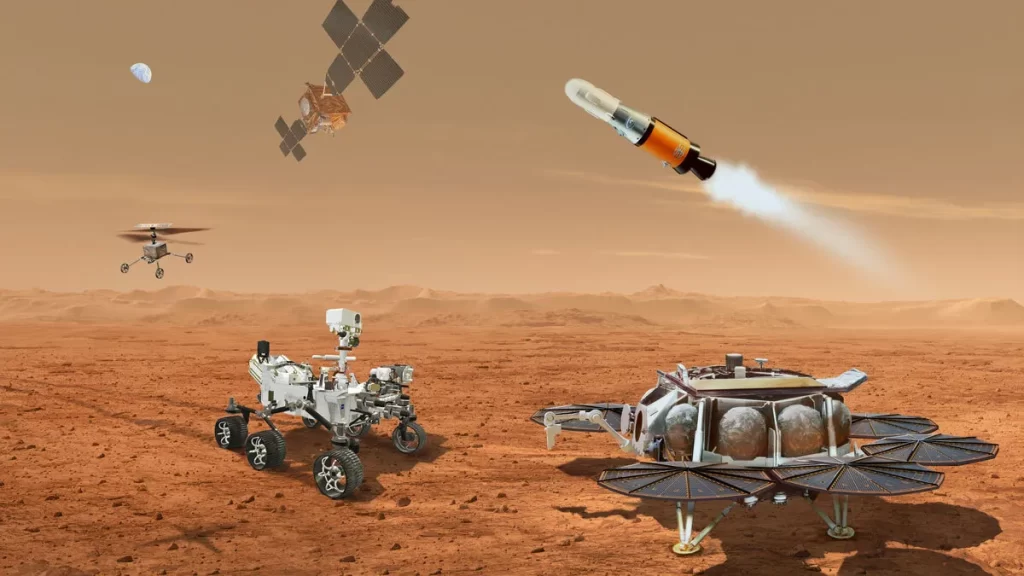
Mars Sample Return
NASA and ESA (European Space Agency) are planning ways to bring the first samples of Mars material back to Earth for detailed study.
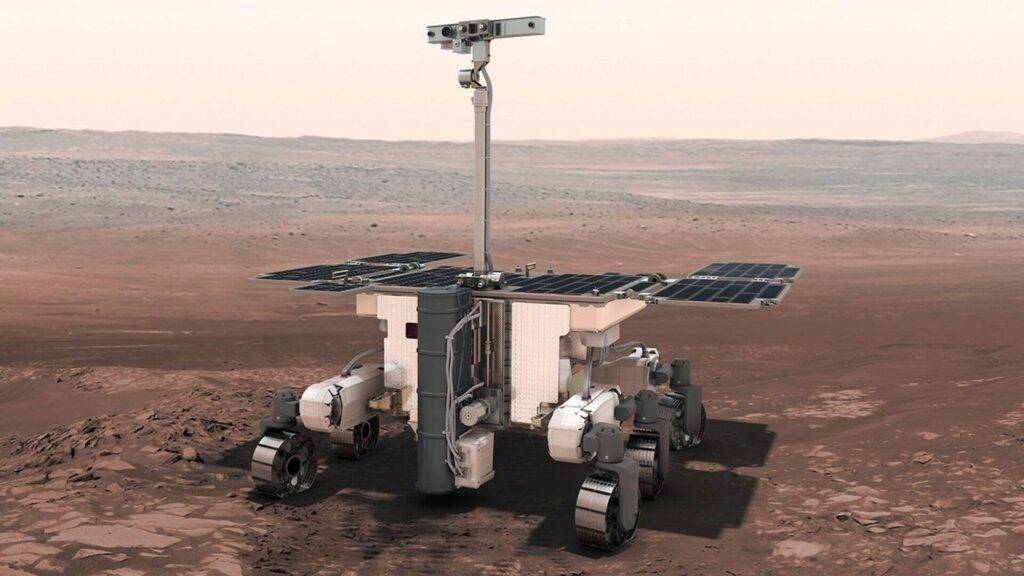
EXOMars Program
ESA’s (European Space Agency) Exobiology on Mars program consists of two missions: Trace Gas Orbiter and the Rosalind Franklin rover.
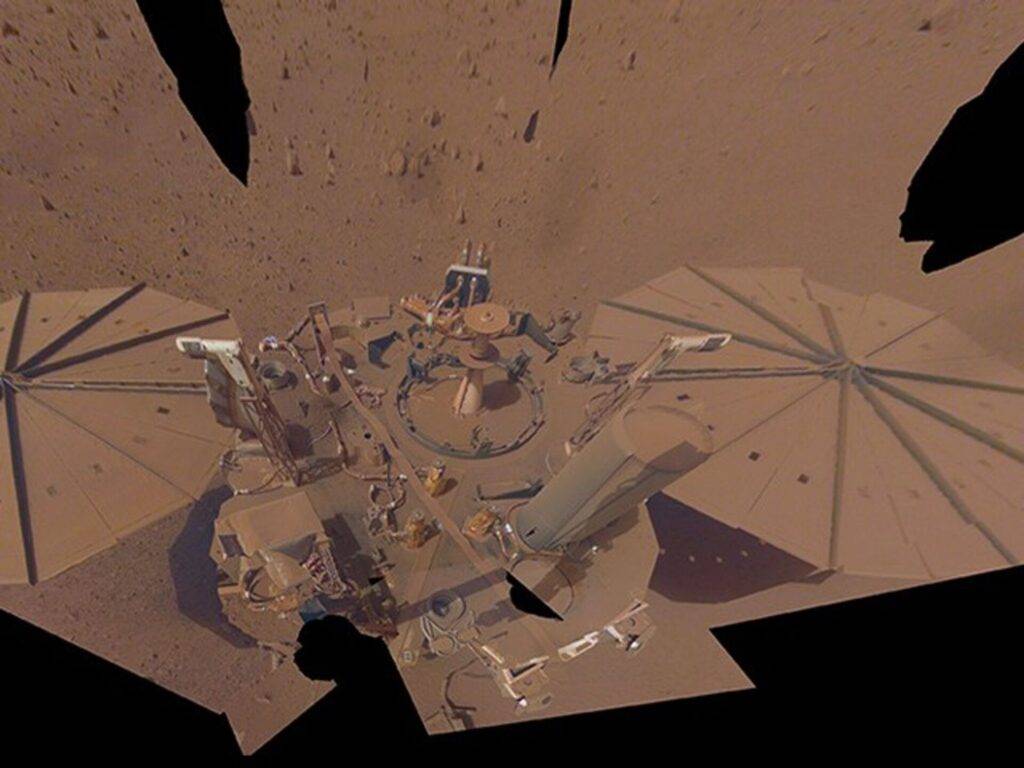
InSight
InSight was the first space robotic explorer to study in-depth the “inner space” of Mars: its crust, mantle, and core. (2018-2022)
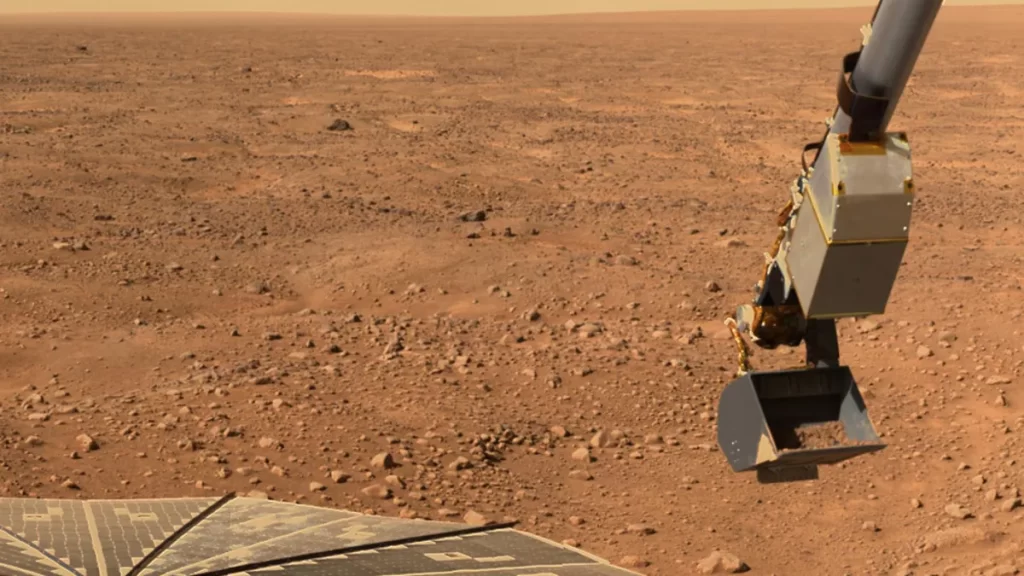
Mars Phoenix
Phoenix carried a complex suite of instruments to look for signs of water-ice in a region farther north than any previous mission. (2007-2008)
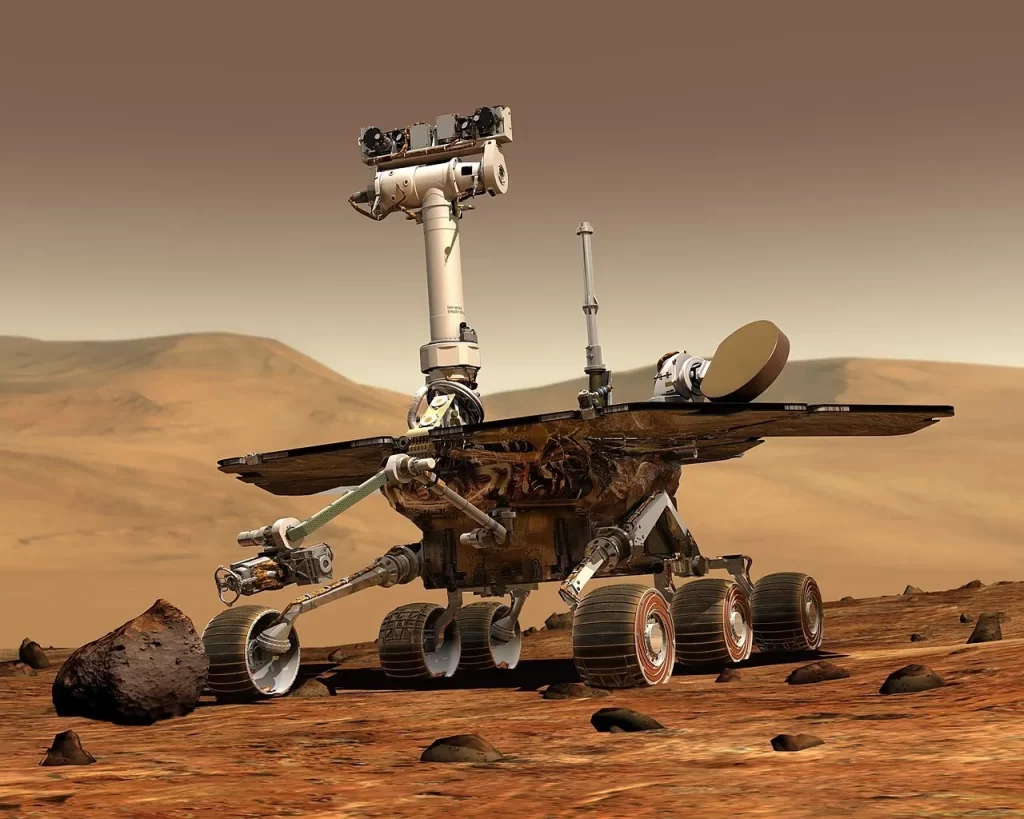
Mars Exploration Rovers: Spirit and Opportunity
A pair of Mars rovers that used field geology and atmospheric observations as they looked for signs of ancient water activity. (2003-2010)
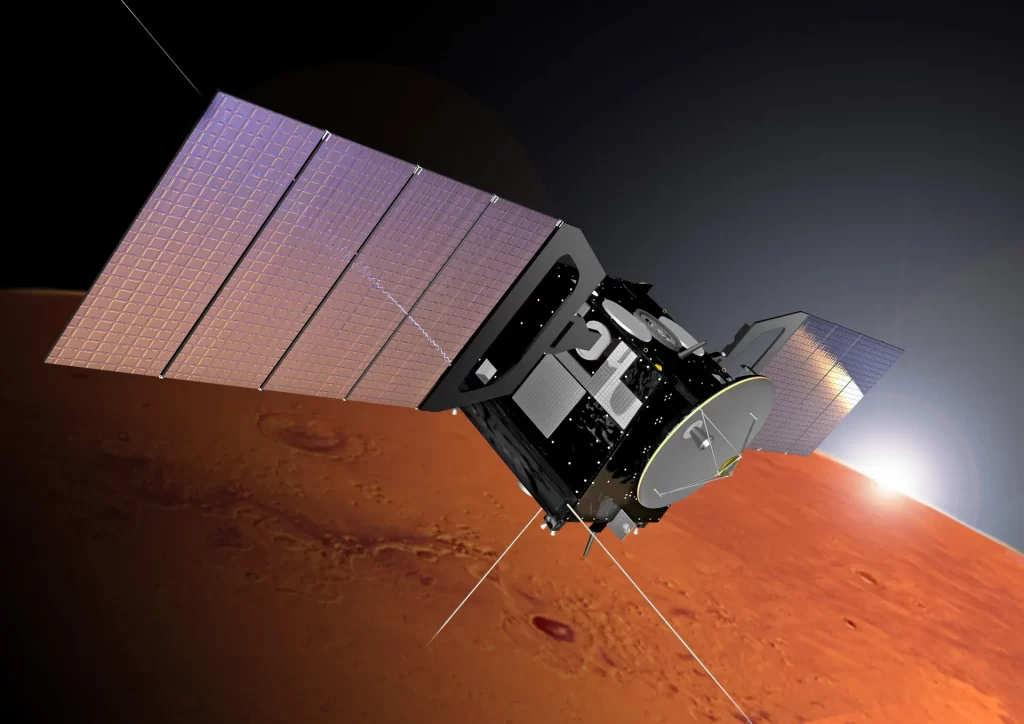
Mars Express (ESA)
NASA is contributing advanced radar and radio relay systems to this ESA-ASI mission searching for sub-surface water from Mars orbit. (2003-present)
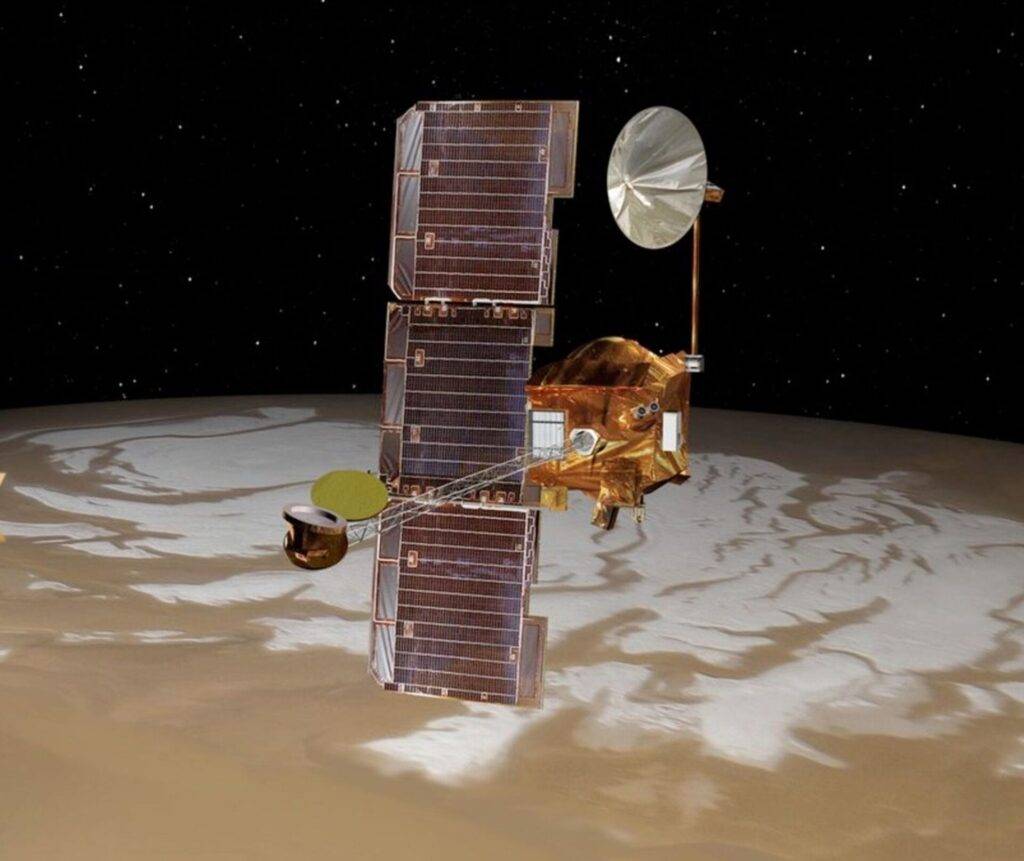
2001 Mars Odyssey
NASA’s longest-lasting spacecraft at Mars is making the first global map of the amount and distribution of chemical elements and minerals that make up the Martian surface. (2001-present)
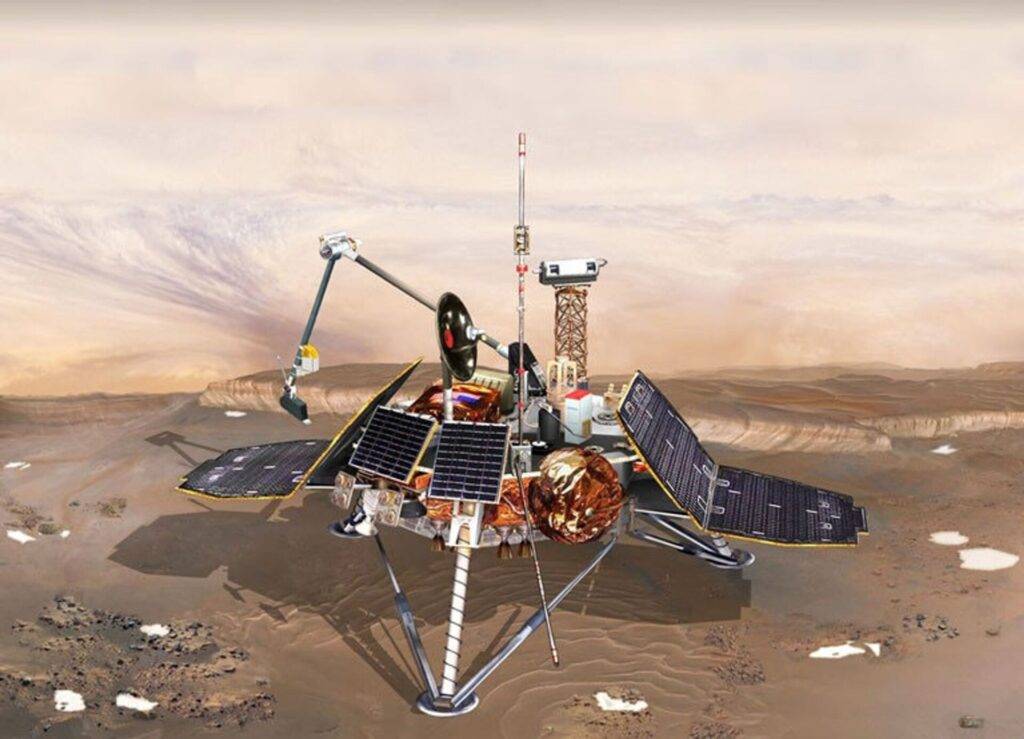
Mars Polar Lander/Deep Space 2
Mars Polar Lander’s mission was to dig for water ice near the edge of the south polar cap and deploy two small surface probes, but all spacecraft were lost on arrival. (1999)
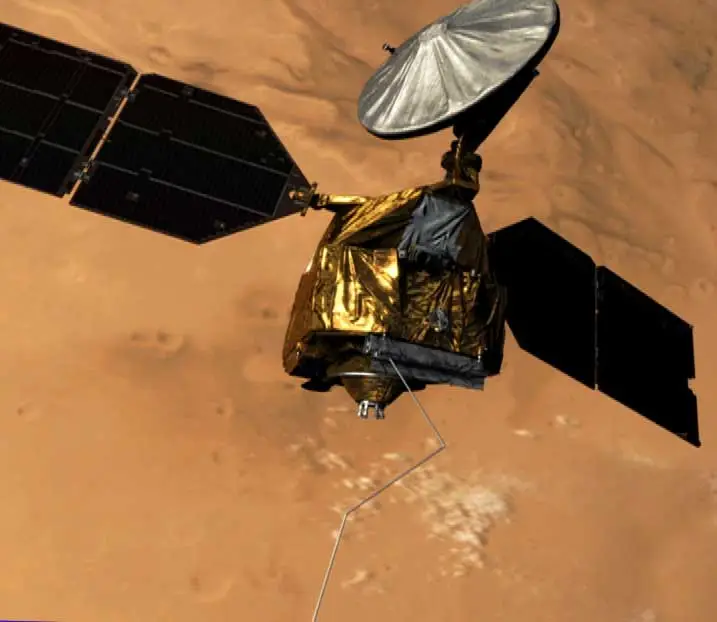
Mars Reconnaissance Orbiter
MRO studies the planet’s atmosphere and terrain from orbit and serves as a key data relay station for other Mars missions. (2005-present)
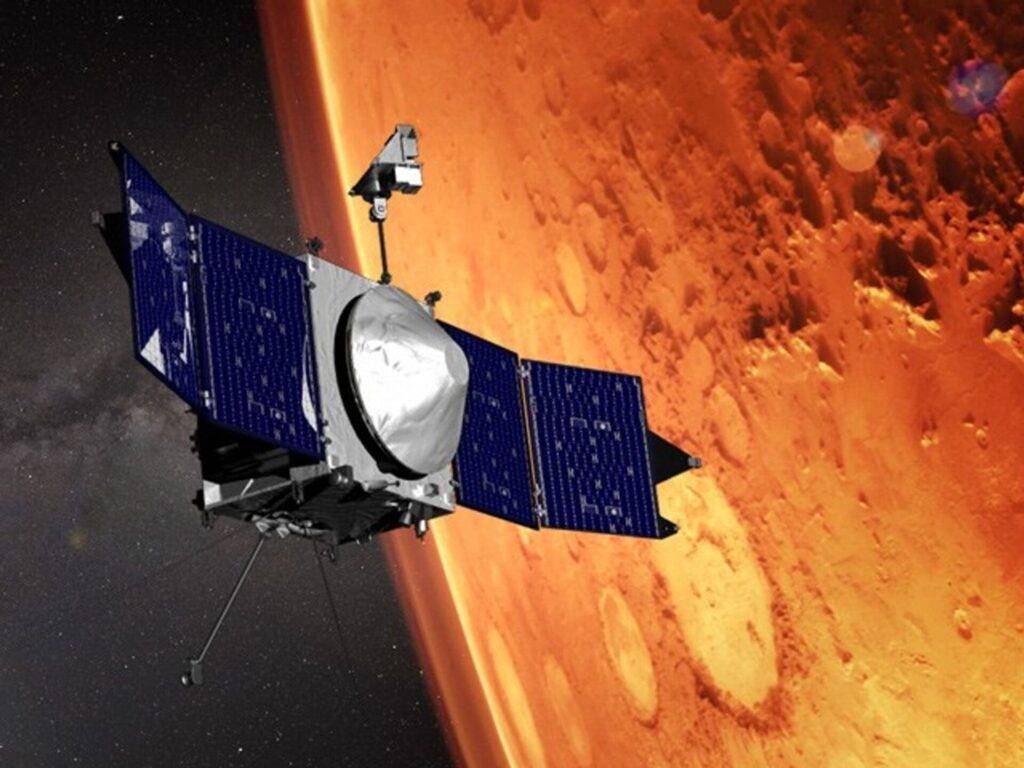
MAVEN
MAVEN is obtaining critical measurements of Mars’ atmosphere to help understand dramatic climate change over the planet’s history. (2013-present)
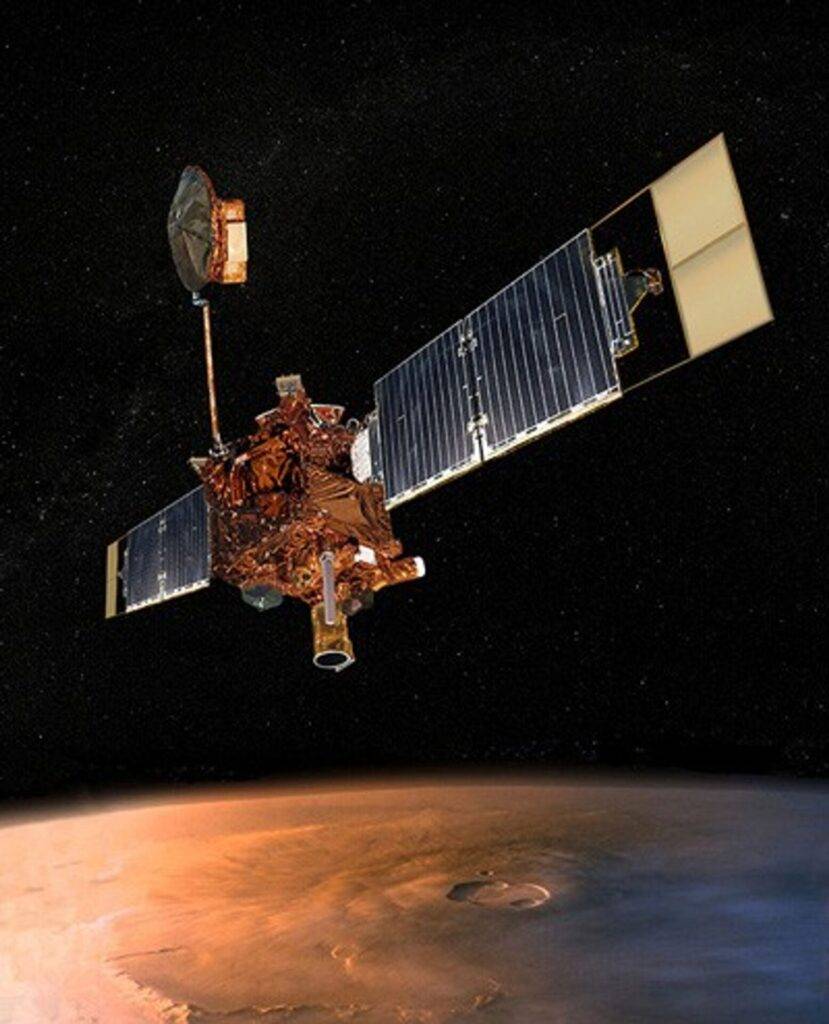
Mars Global Surveyor
Mars Global Surveyor studied the entire Martian surface, atmosphere, and interior, discovering repeatable weather patterns, gully formation, new boulder tracks, and recent impact craters. (1996-2006)
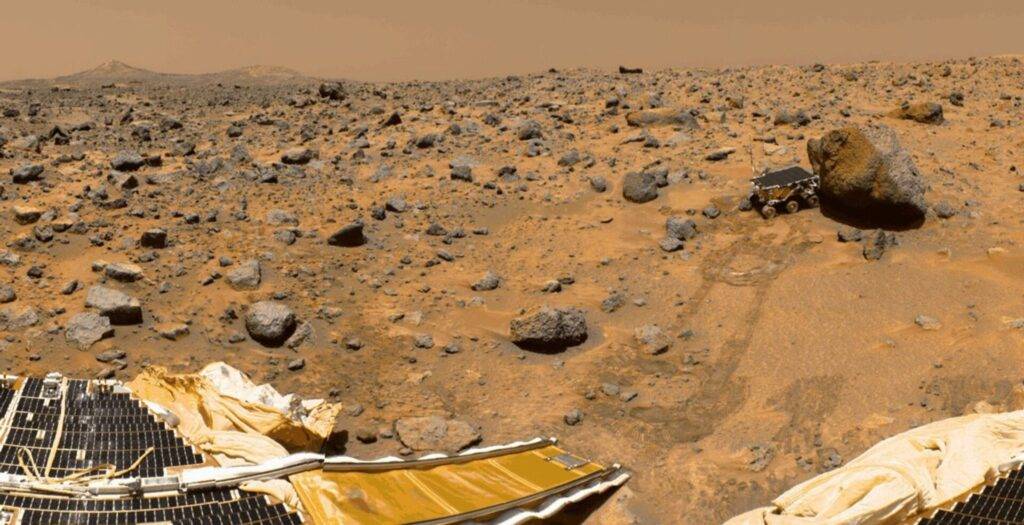
Mars Pathfinder
Mars Pathfinder demonstrated a new way to deliver an instrumented lander, and the first robotic rover, to the planet’s surface, from which it returned data long past its primary design life. (1996-1997)
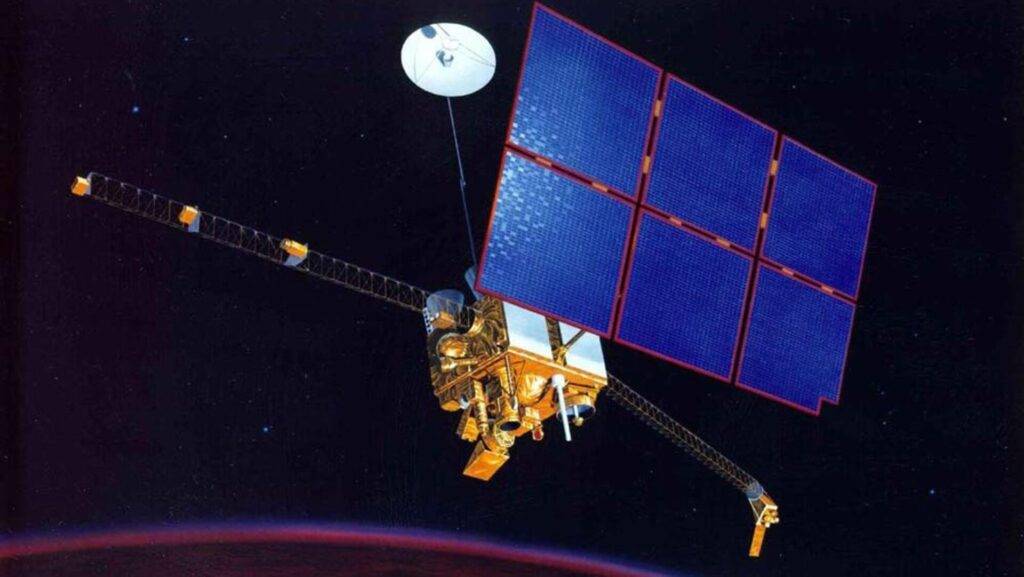
Mars Observer
Mars Observer was designed to study the geology, geophysics, and climate of Mars, but contact with the spacecraft was lost shortly before it was set to enter orbit around the planet. (1992-1993)
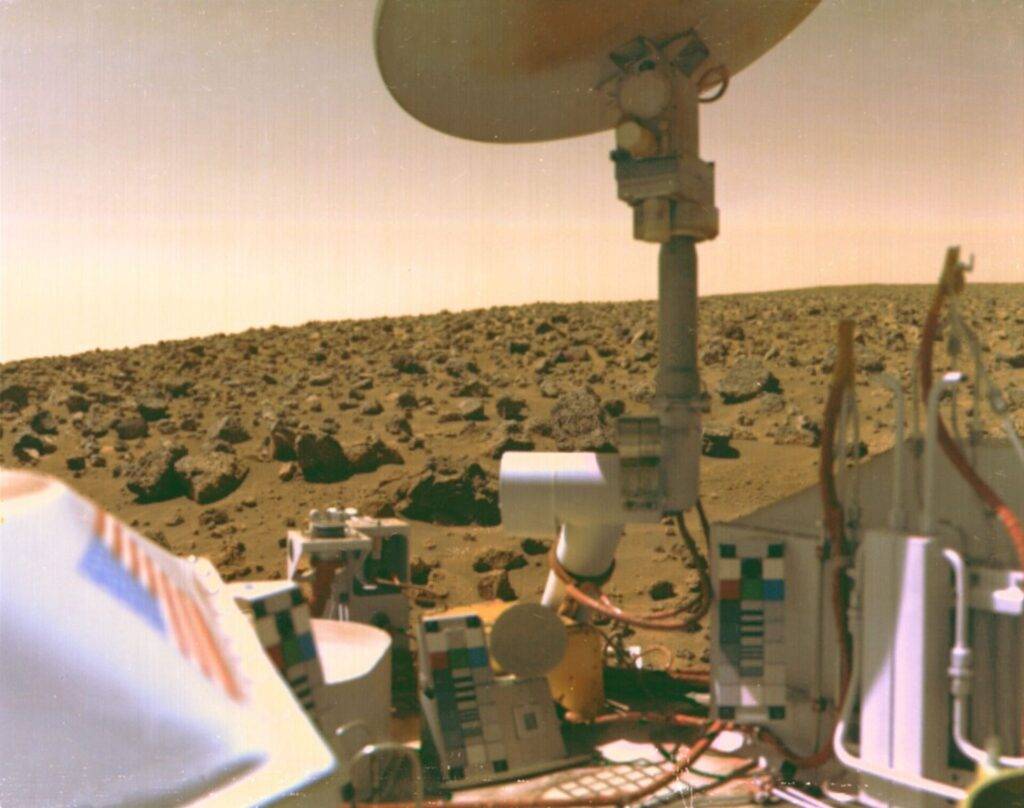
Vikings 1 & 2
The first U.S. mission to land a spacecraft safely on Mars and return images of the surface, Viking 1 was part of a pair of probes seeking signs of life on Mars. (1975-1982 )
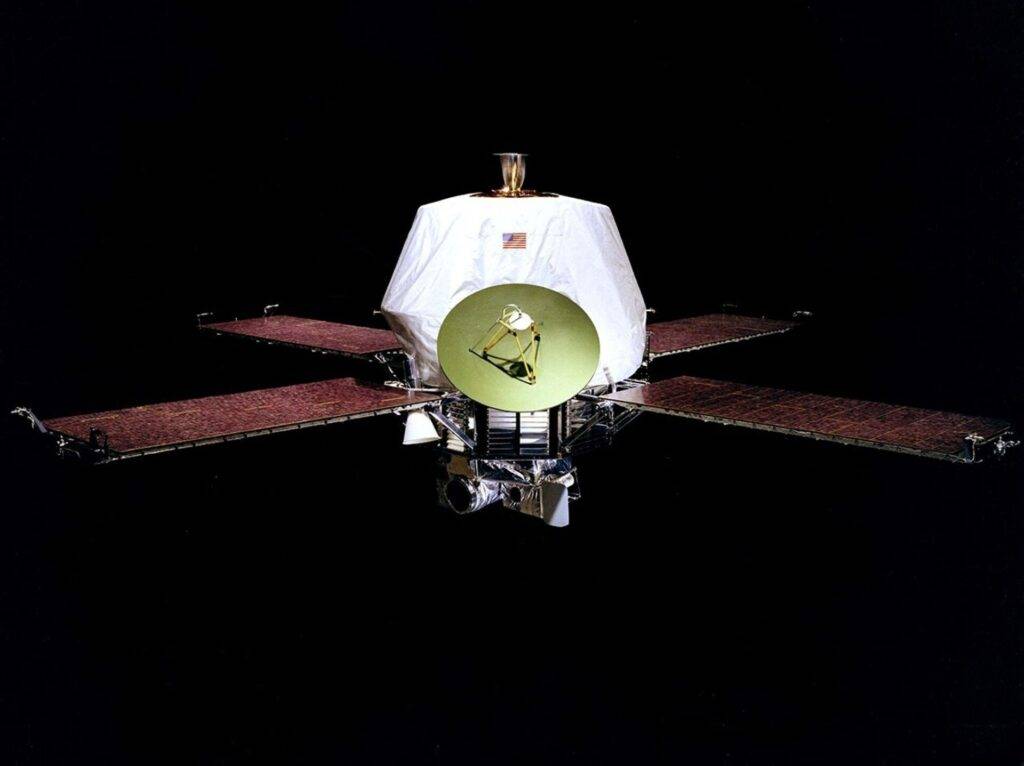
Mars Mariner Missions
NASA’s Mariner 9, launched days after Mariner 8, was the first spacecraft to orbit another planet and to orbit Mars, mapping 85% of the surface. (1971-1972)
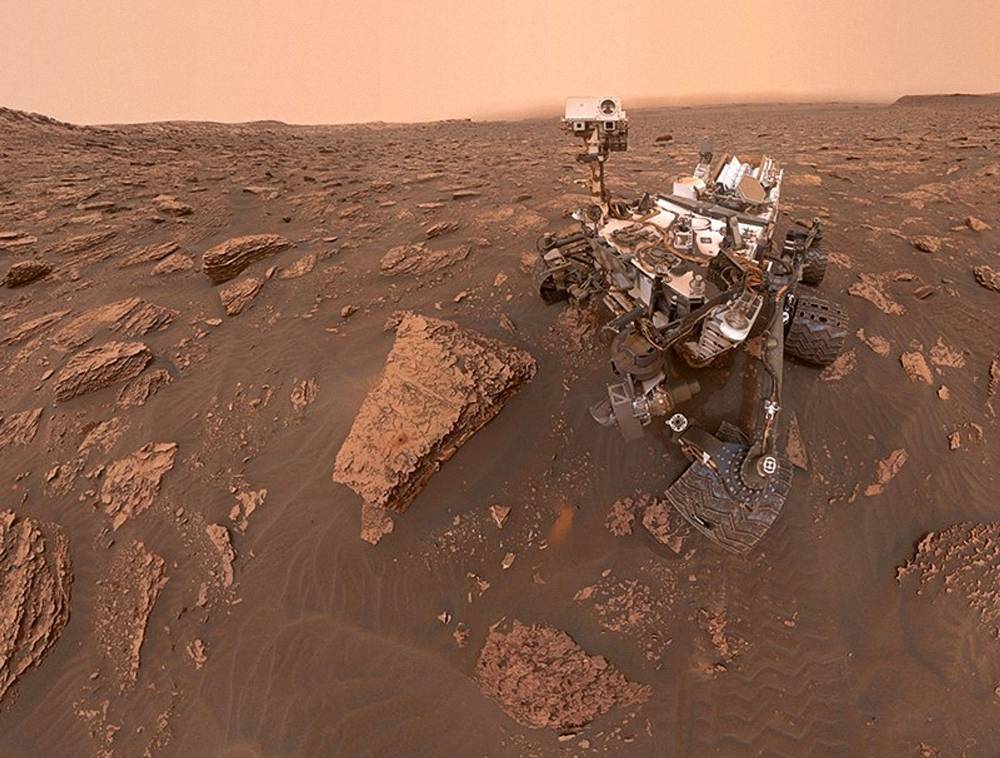
Mars Science Laboratory: Curiosity Rover
Curiosity is investigating Mars to determine whether the Red Planet ever was habitable to microbial life. (2011-present)
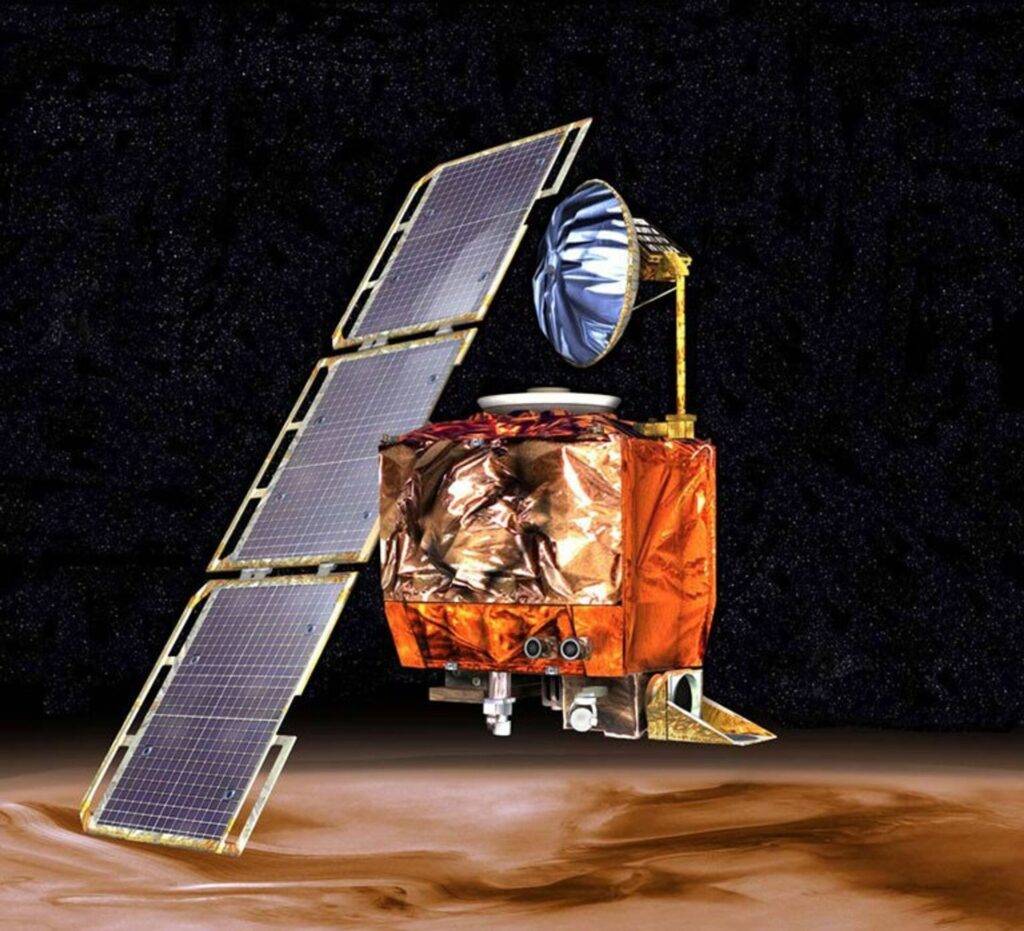
Mars Climate Orbiter
Designed to function as an interplanetary weather satellite and a communications relay for Mars Polar Lander, Mars Climate Orbiter was lost on arrival after entering the atmosphere too low. (1999-1999)
Entry, Descent, and Landing
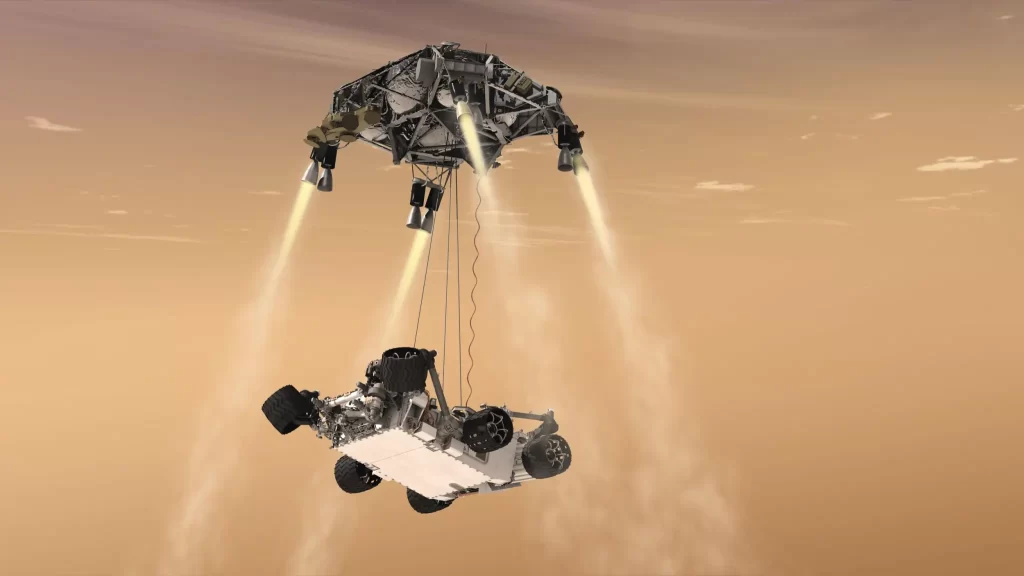
Parachutes, airbags, sky cranes, and more – NASA gets its Mars landers and rovers through the atmosphere, past hazards and obstacles, to a safe touchdown on the Red Planet.